Silent Quests Amidst the Cheers: Integrating Adventure Elements into Free Browser Sports Multiplayers

Free browser sports multiplayers have expanded beyond standard matches as developers introduce adventure components that unfold quietly alongside competitive play, and these additions create layered experiences where participants complete objectives while engaging in team-based athletic simulations.
The Evolution of Browser Sports Platforms
Developers have incorporated quest systems into free browser environments since the early 2020s, and data from industry tracking shows steady growth in session lengths when narrative tasks appear alongside core gameplay loops. Players log in to compete in soccer or basketball simulations yet also navigate exploration maps that reward incremental progress with cosmetic upgrades or temporary boosts, which keeps engagement consistent across repeated visits without disrupting match flow.
Research from the Entertainment Software Association indicates browser-based titles reached over 45 million monthly users in North America by 2025, and many of those sessions now blend sports mechanics with light adventure progression. The structure allows individuals to pursue solitary goals such as locating hidden arenas or unlocking character backstories while remaining part of larger multiplayer communities.
How Adventure Mechanics Fit Into Competitive Sports
Quest design in these games typically operates in the background, and participants discover side objectives through environmental cues rather than explicit tutorials. One common pattern involves collecting artifacts scattered across virtual stadium districts between scheduled matches, and completing a set of these tasks grants access to alternate playing fields that change weather conditions or introduce new team formations. This approach maintains the fast pace of sports action while giving dedicated users reasons to return outside peak hours.
Observers note that integration works best when adventure elements remain optional, and statistics from multiple platform reports confirm higher retention rates when players choose their involvement level. In May 2026 several titles updated their systems to tie exploration rewards directly to seasonal tournaments, which means participants who explore certain zones receive advantages that apply only during limited-time events.
Technical Approaches and Player Navigation
Browser technology supports these hybrid experiences through efficient asset streaming, and engines load adventure zones progressively so performance stays stable during simultaneous multiplayer matches. Developers use modular map design that connects sports arenas to surrounding exploration areas via simple portals, allowing seamless transitions without full page reloads. Players who finish a match can immediately enter an adjacent quest region to continue progress, and the system tracks completion across both competitive and exploratory modes using shared account data.
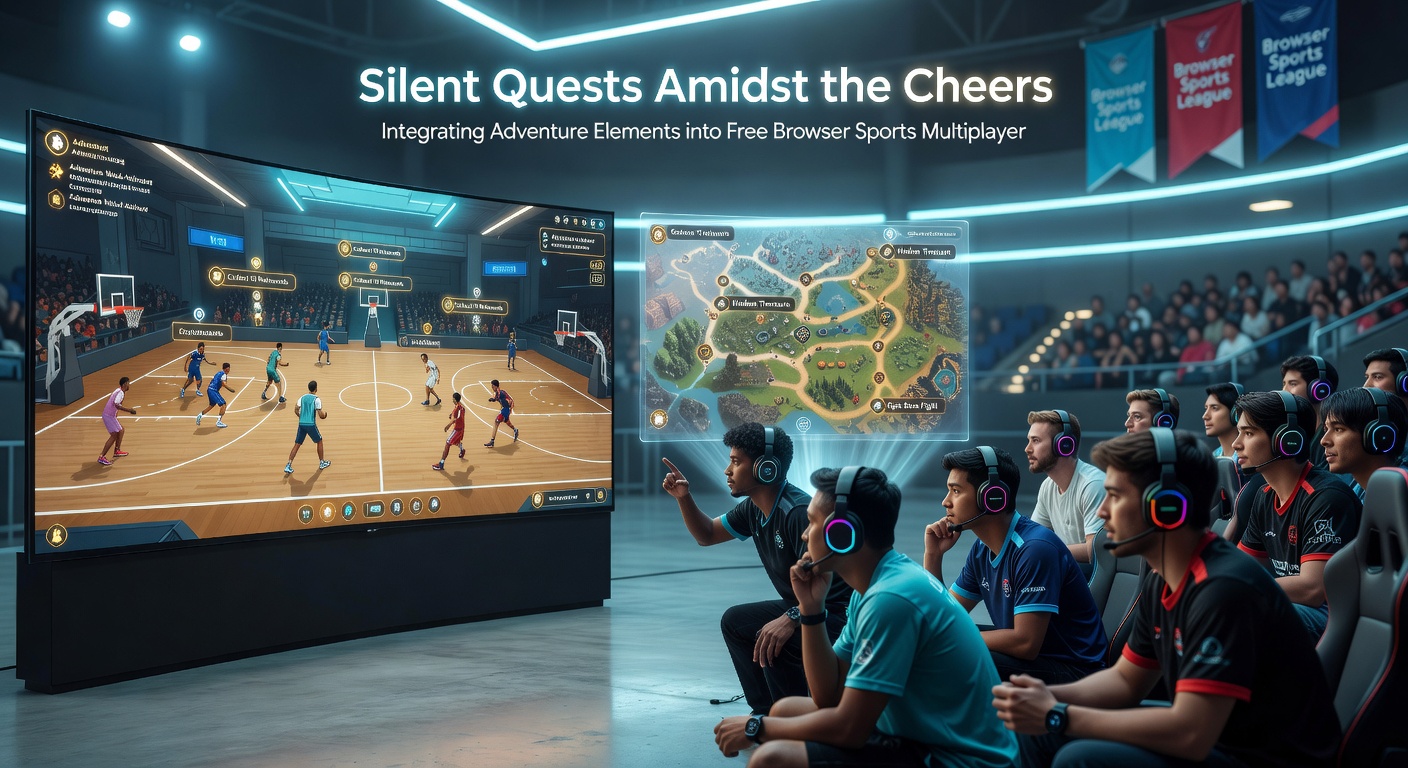
Studies conducted by academic teams at European universities have examined how these dual systems affect attention and coordination, and findings suggest that brief exploratory breaks between matches improve focus during subsequent competitive rounds. The research highlights that well-paced quest segments reduce fatigue while preserving the social dynamics of team sports.
Community Dynamics and Shared Progress
Multiplayer communities adapt quickly to the new layers, and groups often coordinate silent quest efforts that support collective tournament standings. One documented case involved players mapping out hidden routes in a hockey simulation, and the shared knowledge allowed teams to optimize their exploration paths before league events began. These collaborative patterns emerge naturally because adventure rewards frequently enhance team performance metrics rather than individual stats alone.
Data from regional gaming associations across Asia and Oceania shows increased cross-platform participation when adventure features include cooperative discovery elements, and developers respond by adding shared maps that multiple users can contribute to simultaneously. The result is a living world where progress from one session carries forward for the entire community.
Future Directions and Industry Patterns
Current trends point toward deeper narrative integration in upcoming updates, and several studios have announced plans to expand quest lines that span multiple sports genres within the same browser ecosystem. Observers expect these expansions to maintain the free access model while introducing optional progression tracks that reward consistent participation across different game types.
Reports from Canadian research institutions tracking digital entertainment habits note that hybrid sports-adventure titles attract wider age demographics than pure competitive formats, and this broadening occurs because exploration components provide entry points for users less focused on ranked play. The pattern continues to influence design choices as platforms refine their balance between athletic competition and ambient discovery.
Conclusion
Free browser sports multiplayers continue incorporating adventure elements that operate alongside core athletic simulations, and these additions create sustained engagement through optional quest structures that respect competitive pacing. Industry data and academic observations confirm measurable effects on session duration and community interaction, while technical implementations keep performance consistent across devices. As updates scheduled around mid-2026 demonstrate further refinements, the model shows how quiet exploration can coexist with loud stadium moments without one overshadowing the other.