Adaptive Interfaces Expanding Participation in Accessible Digital Team Strategy Contests
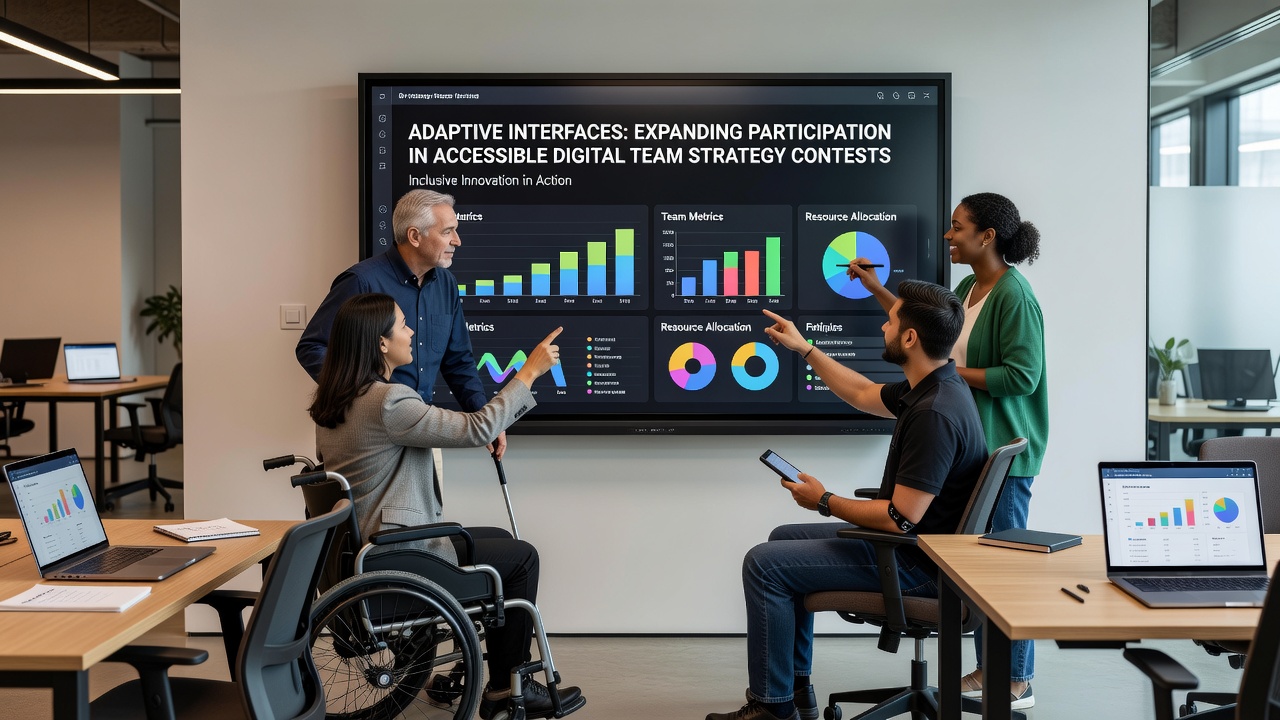
Adaptive interfaces have transformed how participants engage with digital team strategy contests by adjusting layouts, input methods, and feedback systems to match individual requirements, and this shift has opened doors for users who previously faced barriers in competitive environments. Data from accessibility audits shows that platforms incorporating these features report higher registration numbers from diverse groups, including those with motor, visual, or cognitive differences, because the systems respond dynamically rather than requiring users to adapt to fixed designs.
Core Components Driving Broader Access
Researchers at institutions across North America and Europe have documented that adaptive interfaces rely on modular design elements such as scalable text, voice navigation overlays, and real-time preference profiles that update during gameplay sessions, while these tools integrate with standard contest software without disrupting core mechanics like resource allocation or team coordination. Studies indicate that when color contrast adjusts automatically based on user profiles and haptic feedback replaces visual alerts for timing cues, participation rates climb steadily, and the same patterns appear in contests hosted on both desktop and mobile platforms.
One analysis conducted by a Canadian research consortium tracked contest entries over multiple seasons and found that teams utilizing adaptive profiles completed strategy phases at rates comparable to standard users, because the interfaces reduced setup time and minimized errors from mismatched controls. Observers note that these adjustments often occur through background algorithms that learn from initial interactions, allowing seamless transitions between team members who might rely on different input styles during the same match.
Participation Trends Through Mid-2026
By June 2026, several major digital contest organizers had implemented adaptive layers following guidelines from the European Accessibility Act, resulting in documented increases in team formations from regions where internet access combines with assistive technology adoption. Figures released by industry monitoring groups reveal that contests offering these options attracted 28 percent more first-time entrants compared with prior cycles, and the growth concentrated among participants who previously cited interface rigidity as a primary obstacle.
What's notable is how these systems support collective decision-making rather than isolating individuals, since shared dashboards can display customized views for each team member while maintaining synchronized data streams. Academic papers from Australian universities have examined this dynamic in multiplayer strategy settings and report that adaptive synchronization tools help maintain competitive balance even when players employ varied accessibility modes.
Implementation Examples Across Platforms
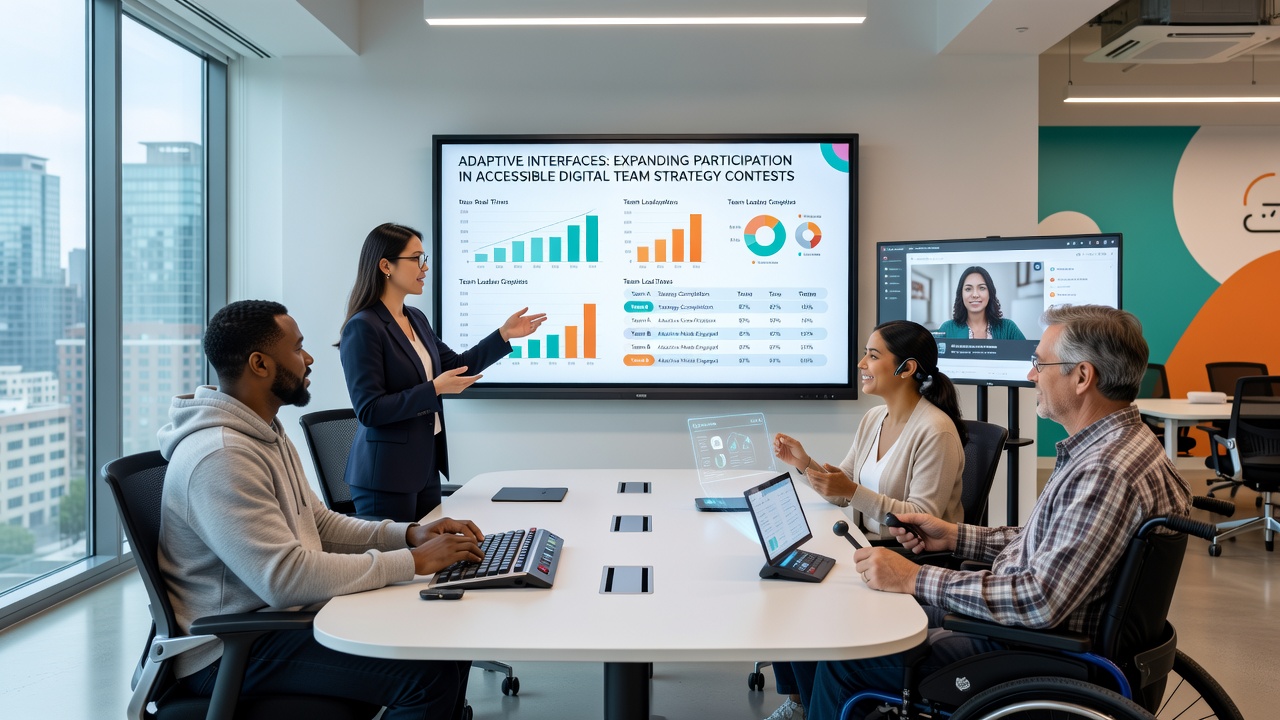
Contest developers have integrated adaptive interfaces through partnerships with organizations focused on inclusive design, and one prominent example involves voice-command modules that allow strategic commands to be issued without physical controllers. Data compiled by the International Game Developers Association indicates that such features appear most frequently in turn-based team formats, where pacing accommodates different response times, and the same reports highlight successful deployments in both educational and recreational contest circuits.
Take the case of a European-hosted series that introduced profile-based scaling in early 2025, after which entry diversity metrics rose without altering prize structures or match rules, because the underlying engine handled variable input speeds through buffering systems. Similar patterns surface in North American collegiate leagues, where administrators adopted open-source adaptive toolkits to comply with broader digital inclusion standards.
Technical and Organizational Factors
Engineers building these interfaces often combine machine learning models with established accessibility standards from the W3C Web Accessibility Initiative, creating prediction layers that anticipate common adjustments before users request them, and this approach cuts down on mid-contest interruptions. Yet integration requires careful calibration to prevent any single adaptation from granting unintended advantages, so testing protocols now include cross-profile simulations as standard practice.
Industry reports further show that training resources for contest moderators have expanded to cover adaptive troubleshooting, ensuring that technical support teams can assist participants without specialized knowledge of every assistive device. Those who've studied adoption curves note that initial rollout costs drop once reusable component libraries become available, allowing smaller organizers to incorporate the same capabilities previously limited to large-scale events.
Conclusion
Adaptive interfaces continue to reshape digital team strategy contests by aligning technology with user needs rather than the reverse, and evidence from multiple regions confirms measurable gains in entry volume and retention. As platforms refine these tools through ongoing collaboration with accessibility researchers and governing bodies, the range of viable participants widens while preserving the strategic depth that defines competitive formats. Ongoing monitoring by academic and industry groups will track whether these expansions sustain momentum into subsequent contest cycles.